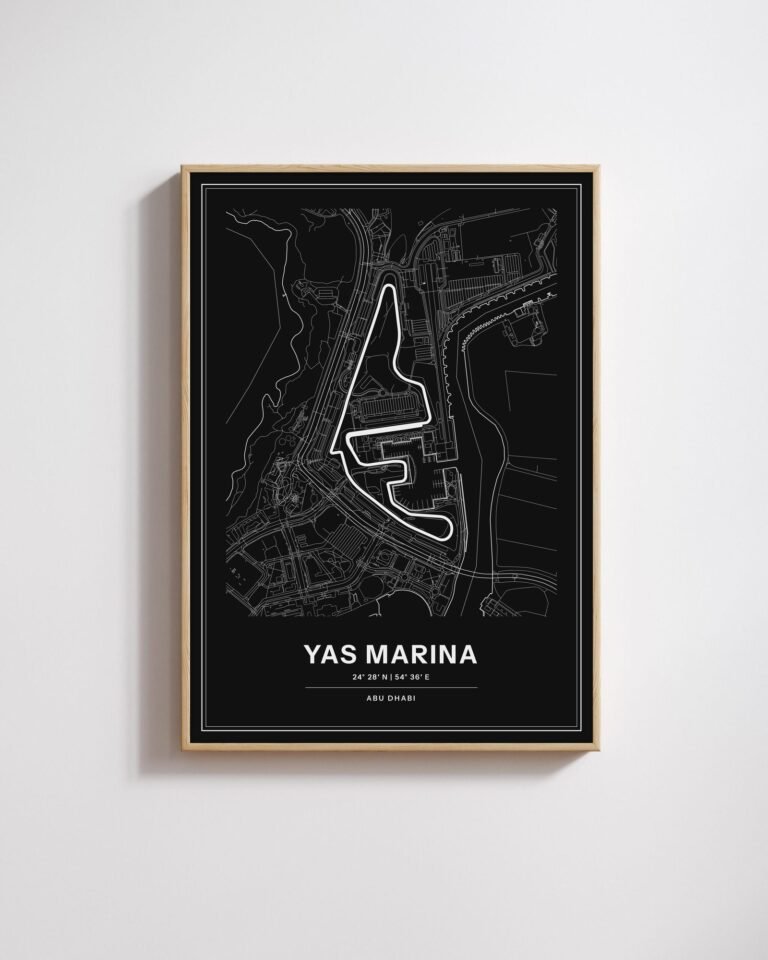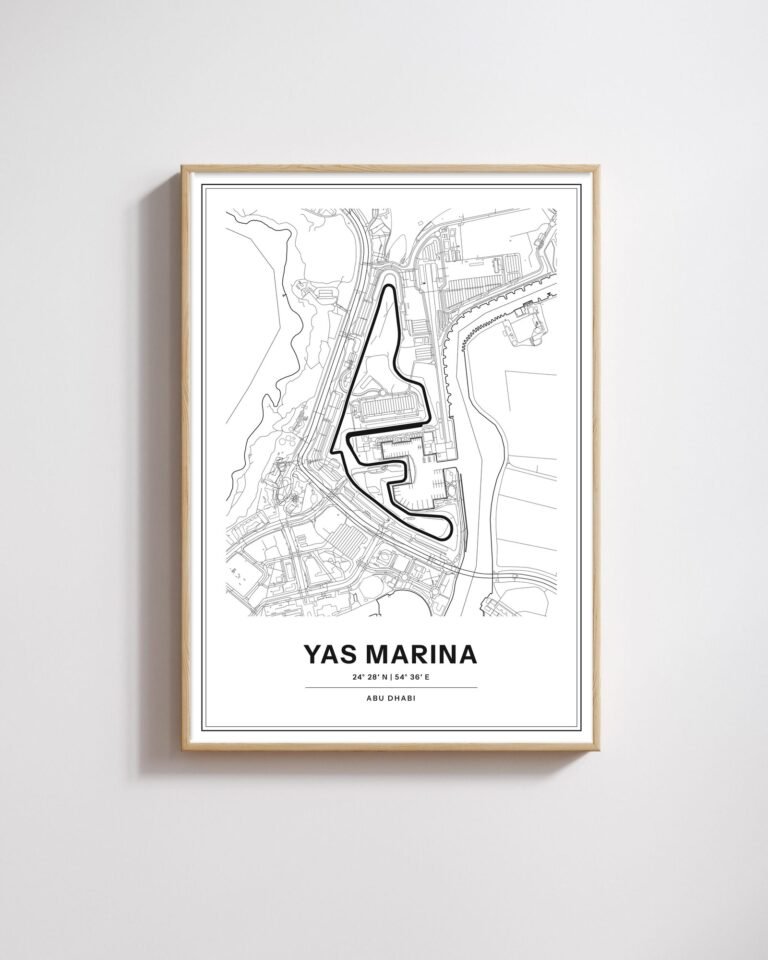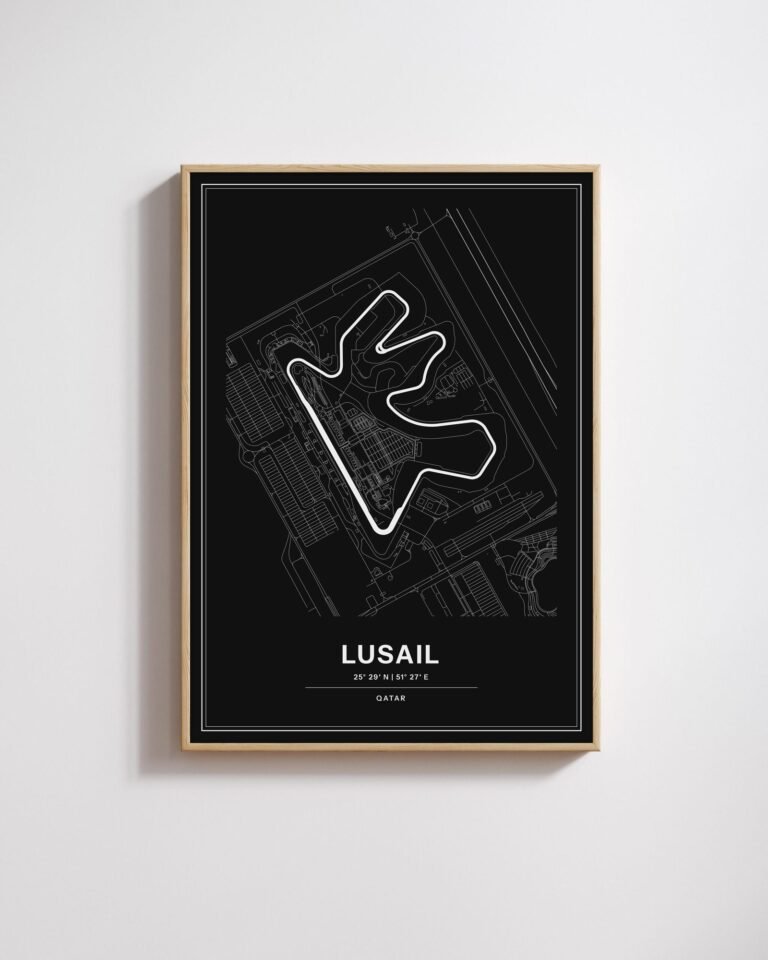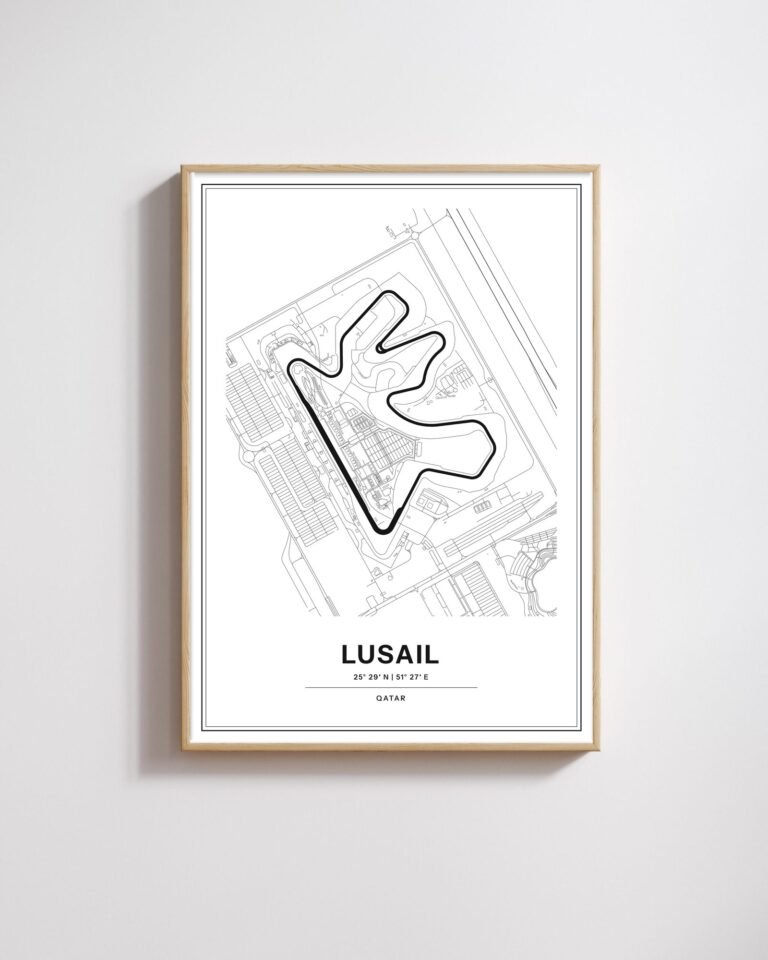
Ask someone to explain art print vs poster and most reach for size, or price, or how serious the frame looks. The real difference is how the sheet was made, and it decides both of those secondhand.
What makes a poster a poster
Merriam-Webster’s definition is plain: a poster is “a usually large printed sheet that often contains pictures and is posted in a public place” to promote something. Historically that sheet was produced by lithography, later offset litho — a plate-based process built to run the same image thousands of times cheaply, because a poster’s job was to be seen by a crowd, not kept by one person. Henri de Toulouse-Lautrec’s Divan Japonais, printed in 1893 to advertise a Paris cabaret, is the form at its best: four lithographic stones, run by the thousand, pasted to a wall and expected to weather there.

What “art print” means today
An art print, in the sense the word is used now, is usually an inkjet print — what the trade calls giclée, from the French gicler, to spurt, after the way the ink reaches the paper. Tate’s own glossary defines a print simply as “an impression made by any method involving transfer from one surface to another,” which covers a lithograph and an inkjet sheet equally — the word print alone never settles this argument. What does settle it is the run: a giclée print is produced one sheet at a time, on demand, rather than plated once and run by the thousand. Whether that print calls itself giclée or archival pigment print is a related but separate question — see archival pigment print vs giclée.

The paper is carrying a different job too
A poster is usually printed on stock chosen for how many can be produced fast and cheap — thin, often coated for a gloss that reads well from across a room. Paper bought to be kept rather than posted and replaced is usually heavier and matte, closer to 200gsm than the 90gsm of a typical poster, because it has to survive being looked at up close and often being framed. The full spec, ours included, is in what giclée and pigment ink actually mean.
Why one costs more than the other
Run size explains most of the price gap behind the question why are art prints so expensive. A plate-based poster amortises its setup cost over thousands of identical sheets; a giclée print carries the full cost of an individual run on every single sheet, because nothing is produced until somebody orders it. That is not a justification dressed up as an explanation — it is the mechanical reason, and it is checkable against any print shop’s stated process.
Art print vs poster: does the label matter more than the object?
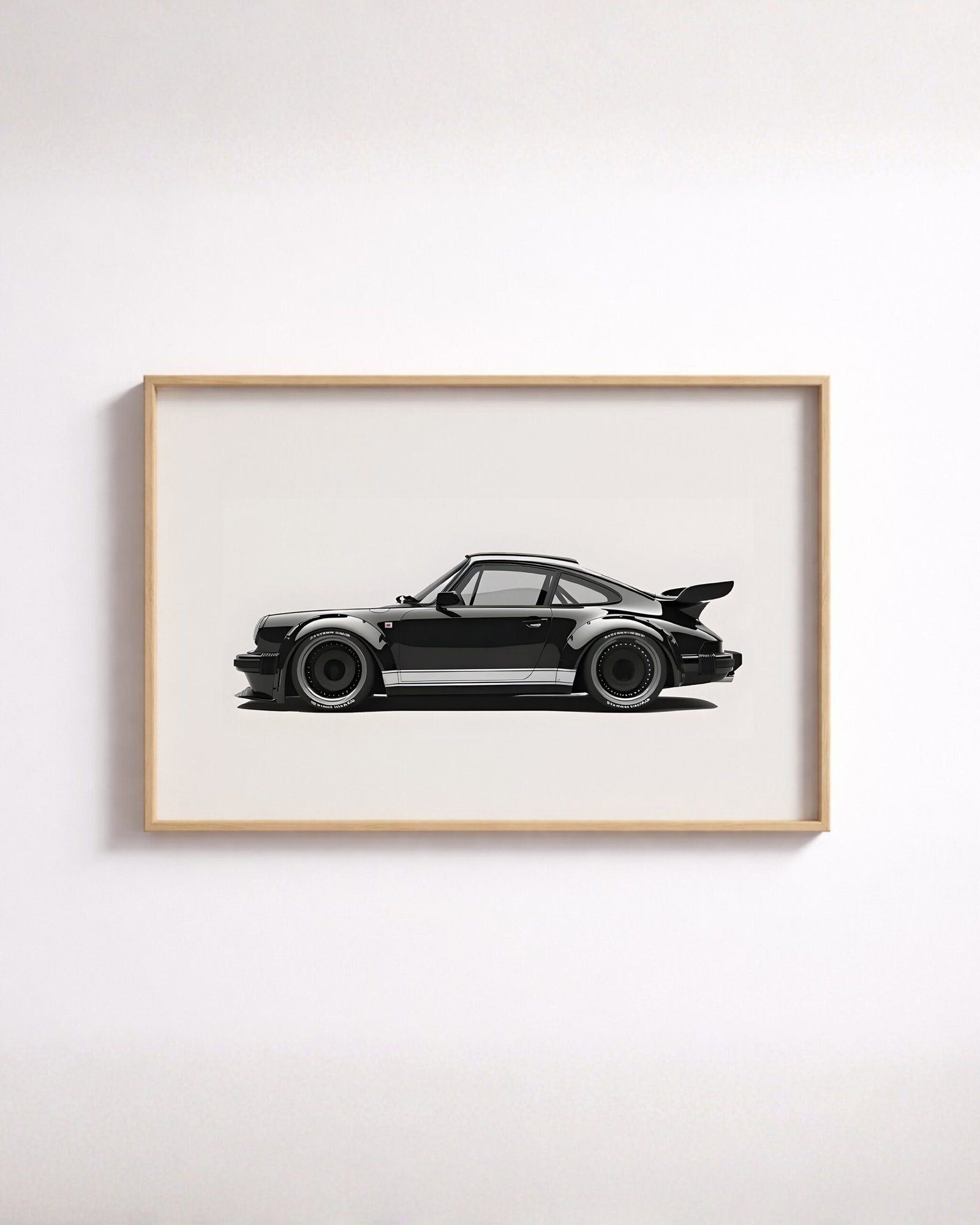
Not as much as the process behind it. A shop that says giclée, archival or fine art but will not name a paper weight or an ink type is selling you the label. Ours states them: 200gsm archival matte, pigment giclée at 300 dpi, FSC-certified paper, made to order. Whichever word ends up on a product page, ask what actually produced the sheet — the Porsche 911 Turbo (930) poster and the Senna Lotus 97T print are both printed that same way, at whichever size you choose.
Common questions
Is a giclée print the same as a poster?
No. A poster is traditionally a plate-based print, lithography or offset, run by the thousand from one setup. A giclée print is an inkjet print made one sheet at a time, on demand. Both are printed sheets, but the process, the paper and usually the price differ.
Why do art prints cost more than posters?
Mostly because of how many get made in one run. A poster's plate cost is spread across thousands of identical sheets; a giclée print carries the full cost of an individual print job every time, because nothing exists until it is ordered.
Can a poster be framed like an art print?
Physically, yes. But poster stock is usually thinner and glossier, chosen to be seen from across a room rather than up close, so it can show more under glass than a heavier matte sheet made for framing would.
Does "fine art print" mean something different from "art print"?
Not in any regulated sense. Neither term is certified or tested by any body. What matters is the paper weight, ink type and resolution actually stated on the page — the words around them are marketing, not specification.